Building an Email List as a Therapist: Content Ideas Your Subscribers Will Love
For therapists in private practice, an email list can become one of the most dependable parts of a marketing routine. Social platforms change constantly, and the audience you gather there is never fully yours. An email list, on the other hand, is a channel your practice owns. Every person on it chose to hear from you, which makes it a natural place to share insights, build trust, and remind past clients that your door is open.
This article covers the practical side of email list building for therapists and shares content ideas your subscribers will actually look forward to opening.
Why an Email List Belongs in Your Marketing
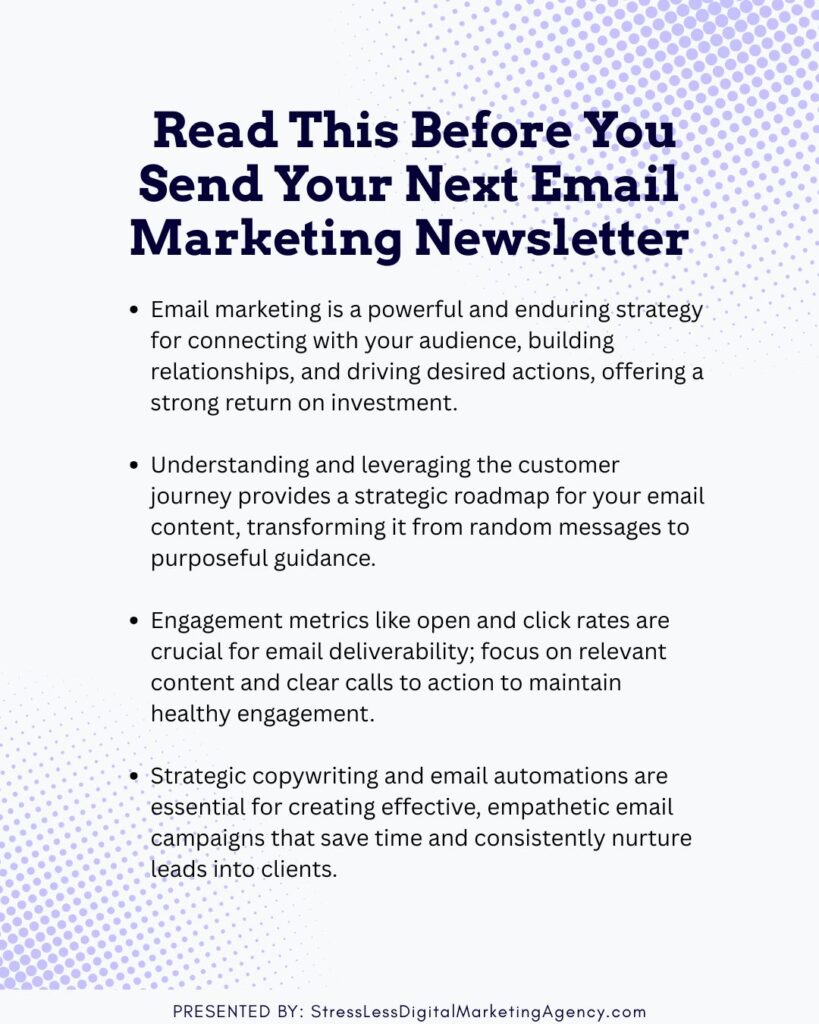
Email marketing for therapy practices can improve client retention, support rebooking, and keep therapy top of mind. When a former client receives a thoughtful note from you, the relationship stays warm. They remember the progress they made, and they know they can return if a new challenge comes up.
Email also delivers visibility that social media rarely matches. Therapist and practice owner Dr. Marie Fang reports an average email open rate of about 40 percent, which she says is more than six times the percentage of Instagram followers who see any one post. For a typical practice, only about 6 percent of Instagram followers see a given update, so the difference is meaningful.
I learned this the expensive way. For years I used a travel agency for every trip. The itinerary was planned for me, and it was efficient, but I was completely dependent on someone else’s map. When something changed, I had no idea where I was. That’s what it feels like to depend entirely on Instagram or a directory listing for your visibility. You’re renting someone else’s map. When the algorithm shifts or the platform changes its rules, you’re lost, and there’s nothing you can do about it. An email list is the opposite. You build your own map. You learn the terrain. And when a platform changes overnight, you’re not starting from zero.
The gap comes down to ownership. Platforms like YouTube, Instagram, and Facebook own their followers, and they can change their algorithms whenever they choose. An email list belongs to your practice. Once someone subscribes, you have a direct line to them that doesn’t depend on a platform’s decision.
How to Start Building a Therapist Email List
Email list building for therapists works best with a few ground rules in place. Don’t add people to an email list without their permission. Strict internet rules require consent before sending marketing email, and a permission-based list is also the one most likely to stay engaged.
Offer a Freebie That Fits Your Niche
A freebie, sometimes called a freemium, gives people a clear reason to join your list. The strongest freebies match the niche you work in. A therapist who specializes in anxiety might offer a short grounding exercise. A clinician focused on new parents might share a checklist of common emotional shifts. The freebie should be useful right away and give subscribers a small taste of your clinical perspective.
The bar to clear is simple: if this is what you give away for free, the reader should think, I can only imagine what working with her is actually like. Not impressive-looking. Genuinely useful. That distinction matters more than most therapists realize, because a vague freebie attracts vague interest, and a specific one attracts the exact person you want to work with.
Create a Simple Landing Page
A landing page is where interested readers go to leave their email address. These pages can be built with an email service provider such as Mailchimp, which one practice owner has described as user-friendly and free for up to 2,000 subscribers. That doesn’t make it the only option or the required one. The best provider is simply the one you feel comfortable using on a regular basis.
Set Up an Automatic Welcome Email
A welcome email should be triggered the moment someone subscribes. This automatic note tells new subscribers what to expect and how often you will write. Setting that expectation early makes future emails feel familiar instead of intrusive. It also confirms that the signup worked and that your emails belong in their inbox.
Here’s why the wording of that first note matters so much. My own Psychology Today profile sat online for months without a single call, written the way most clinicians write theirs: warm, welcoming, safe space, no judgment. Then I rewrote it, not as a full overhaul, just as someone who knew exactly who she helped instead of someone trying to sound like everyone else. Within seven days, I had calls. Not because I’d suddenly become more qualified. Because the right people finally saw themselves in what I’d written. A welcome email works the same way. Generic language gets skimmed. Specific language gets remembered.

Email List vs. Social Media for Therapists
A few practical differences explain why an email list deserves a regular place in your marketing. Social media is still valuable for visibility, but email gives you a direct connection to people who have already expressed interest in what you share.
| Point of Comparison | Email List | Social Media Following |
|---|---|---|
| Ownership | Owned by your practice | Platform owns the followers |
| Typical Reach | About 40 percent open rate | About 6 percent see a given post |
| Algorithm Risk | NA | Platforms can change how posts are shown |
This isn’t an argument to abandon social media. It’s an argument to treat email as the dependable core of your online presence while social media works as one of the paths that leads people toward your list.
Content Ideas Your Subscribers Will Love
Once your list starts growing, the next question is what to write. Regular emails should be sent on a routine, such as weekly or monthly, and they can recap recent blog posts or highlight other content you’ve created. A steady rhythm builds trust and keeps your name familiar.
Before the list of ideas, one principle worth sitting with: if it isn’t about them, they’re not listening. My dog Corbin, a 90-pound pitbull who fully believed he was lap-dog sized, would do absolutely anything for the right treat and nothing for the wrong one. Your subscribers operate the same way. An email built around what you want to announce gets skimmed. An email built around what they’re already thinking about gets opened, and eventually, replied to.
If you feel stuck for ideas, these formats are a strong starting point:
- One insight from your week. Reflect on a theme that shows up often in your work, written without any identifying details.
- A seasonal mental health note. Holidays, changing seasons, and the start of a school year bring predictable emotional shifts, and a short email can help people feel less alone.
- Recommended resources. Share a book, podcast, article, or community offering you genuinely find helpful for the issues you see in sessions.
- General answers to questions you hear often. When several clients ask about the same topic, others probably wonder about it too.
- A look behind the scenes. Tell subscribers what drew you to this work or how you approach a particular clinical topic.
- A recap of a recent blog post. If you write for your website, email is the natural way to extend that content to the people who already trust you.
- A gentle invitation to rebook. Seasonal reminders about returning for a check-in support client wellbeing while also helping your practice flow.
- A preview of a new offering. When you release an e-book, e-course, or workshop, your email list becomes the first audience to hear about it.
- Notice that none of these ideas require a long essay. Many effective emails carry one clear idea, written the way you might talk to a client who already understands your style.
- Confidentiality still matters in email. Keep your stories general and avoid anything that could identify a current or former client. If you’re ever unsure whether a detail is safe to share, leave it out.

Start Building Your List From Day One
New therapists entering private practice are advised to start building their email list from day one. It can be tempting to wait until your caseload is full or your website feels finished. But an email list takes time to grow, and starting early gives you a quieter period to experiment with your voice and your freebie.
I opened my own private practice in 2020, private pay, and assumed clients would flood through the door once I hung out my shingle. They didn’t. Months went by with almost nothing, and by the time I started building any kind of owned audience, I was already behind. If I could go back, the email list is the one thing I’d start on week one, long before I felt “ready,” because it’s quietly working in the background while you’re focused on client hours.
An email list can also help you build a waiting audience for future launches or offerings. That means you can focus on serving your current clients while knowing a group of interested people already exists for the next resource or group you decide to create. Email marketing is often described as crucial for therapists for exactly this reason: it gives your practice a loyal audience you can return to again and again.

Skip Purchased Lists and Grow Your Own
As you research email list building for therapists, you may come across vendors such as DataCaptive and Medicoleads that sell access to large databases of therapist contacts. These are marketed as B2B databases for reaching licensed therapy professionals, often containing hundreds of thousands or more than a million verified contacts.
I think about this the same way I think about swimming. Strong swimmers know that fighting the water wastes energy, so you work with the current instead, timing your breath and staying loose. A purchased list is fighting the water. You’re forcing thousands of names into an inbox that never asked for you, and it costs you deliverability, trust, and eventually your sender reputation. Growing your own list is swimming with the current. It’s slower at first, but you’re not exhausting yourself against something that was never going to move the way you wanted.
Those purchased lists aren’t the same as an organically built email list for your private practice. The contacts in a purchased database haven’t chosen to hear from you, and adding people without permission runs against the consent rules that govern email marketing. For a practice that wants to stay connected with past, current, and future clients, the more valuable foundation is a list you grow yourself, one subscriber at a time.
Want the Rest of the Roadmap?
If building this out feels like a lot to hold on top of a full caseload, you’re not starting from nothing. Download the free first chapter of Stay Booked: The Therapist’s Guide to Building a Website That Fills Your Practice and see exactly how your email list fits into the bigger visibility system your website should already be doing for you.

Frequently Asked Questions
These are the questions therapists ask most often when they begin focusing on email list building.
How Often Should Therapists Send Email Newsletters?
Most practices settle into a weekly or monthly rhythm, and the routine matters more than the exact day. If your welcome email promises monthly notes, keep that promise. Regular sending also keeps your practice top of mind, which supports retention and invites rebooking when a former client needs care again.
What Should Therapists Give Away as a Freebie?
A freebie should match the niche you serve and be useful on its own. A therapist who works with anxious professionals could offer a short grounding exercise, while a clinician focused on new parents might share a checklist of common emotional changes. Choose something you can create once and deliver automatically, and the freebie will earn its place over and over again.
Is Mailchimp the Best Email Service for Therapists?
Mailchimp has been described by one practice owner as user-friendly and free up to 2,000 subscribers, which makes it a common starting point. It isn’t the only option and not a requirement. The best tool is the one you’ll use consistently, so compare a few providers and pick one that feels manageable for your schedule.
Should Therapists Buy an Email List?
Buying a therapist email list isn’t the same as growing your own. Vendors market those contacts as B2B databases for reaching licensed professionals, but those contacts haven’t opted in to hear from your practice. Strict internet rules require permission before sending email, and an owned list of engaged subscribers remains the more valuable foundation for building trust.
Keep reading:
- Blog Content Strategy for Private Practice Owners: Grow Your Audience Ethically
- The customer journey guide — how your subscribers think their way toward booking
- Content ecosystem for therapy practices — how blog, email, and social connect
- How outsourcing saves you time — if building this system feels like too much to DIY
- Interact quiz review — the tool I use and recommend for lead magnet quizzes
- Content consistency tips — making the regular send actually happen